
Ways to Care for Your HMDD Sweatpants and Shorts to Extend Their Lifespan
HMDD , standing for Happy Memories Don’t Die, has cultivated a dedicated customer base on the foundation of pieces that feel meaningful, not disposable. Should you own a pair of HMDD sweatpants or shorts, you no doubt already know they’re not the sort of piece you’d want to throw in on a hot cycle without thinking. Fabric blends used in streetwear-inspired brands like HMDDLA tend to be more substantial, often fleece-backed or brushed, which means they react differently to heat, agitation, and drying than a basic cotton tee. This guide walks through the hands-on steps that preserve the color, print, and shape of your HMDD garments looking right for years instead of months. None of this is complicated, but failing to follow it is the reason good sweats turn into faded, pilled, shapeless ones by the next season.
Why Care Routines Matter More for HMDD Pieces
Streetwear-focused companies that emphasize printed graphics, stitched embroidery, or raised puff designs put much of the piece’s worth into elements that rest on top of the material rather than integrated into the weave. That’s the case for much of HMDD’s catalog, and it’s a common thread in nearly every hmdd review you’ll find online — people love the visual style, but they also note how the graphics wear (or don’t) hold up after being washed again and again. A cracked logo or a faded design doesn’t just look worse; it shifts how the entire garment comes across, transforming something that once looked intentional into something that looks uncared-for.
Cost is another factor worth considering. Premium sweatpants and shorts from brands positioning themselves as best hmdd clothing picks aren’t low-cost mass-produced basics — they’re valued as an investment piece, which means the price-per-use only pays off if the garment holds up for 50, 100, or 150 wears. A budget pair of $10 gym shorts can be thrown in the wash without care for a full year and it hardly makes a difference. A heavier, detailed pair of HMDD shorts is a whole different story.
Fleece and brushed-backed materials, which HMDD uses in many of its sweatpant styles, also behave differently under heat than plain jersey cotton. Heat is https://hmdds.com/t-shirts/ the single biggest threat to the structure of fleece — it breaks down the microfibers that produce that soft brushed texture, flattening it permanently. Once that happens, no amount of careful washing brings it back. Which means the practices you form now, from the first wash, dictate how the garment holds up over time for the remainder of its lifespan.
Washing HMDD Sweatpants: The Core Rules
When it comes to anything with a printed or embroidered graphic, cold water simply isn’t optional. Water warmer than 86°F (30°C) speeds up color transfer and breaks down the glue layer under screen prints, which is precisely why you end up with cracked or peeling logos within 10–15 washes. Opt for cold water or, at the very most, a lukewarm cycle.
Turn every pair so it’s inside-out before placing it in the washer. By protecting the outer surface from rubbing against drawstrings, zippers, or other items in the wash, this quick action cuts down surface wear on prints and embroidery. The whole thing takes five seconds and it’s the most overlooked step in the entire care process.
A mild, dye-free detergent should be used rather than one with optical brighteners or strong fragrance additives, because these additives accumulate gradually in fleece fibers and diminish the true color—this is especially true for deeper HMDD shades like black, charcoal, and olive. A quarter-cup of a gentle liquid detergent is usually enough for a single pair of sweatpants; extra detergent doesn’t improve results.
Skip fabric softener. It sounds contrary to logic for plush fleece, but the product covers fibres in a wax-like buildup that cuts down airflow and, over 20-30 washes, causes brushed fleece turn out tangled and compressed rather than tender to the touch. If you want long-term softness, a gentler spin speed (600-800 RPM) does more value than any fabric conditioner ever will.
Launder like colors together while steering clear of overfilling the washer; a drum loaded beyond 75% capacity means items are unable to shift freely, leading to more rubbing and fuzz buildup. The sweet spot, when washing just one pair of HMDD sweatpants or shorts, is washing with 3-4 other comparably weighted items.
Where The Greatest Share of Harm Actually Takes Place: The Drying Stage
If washing is where mistakes accumulate slowly, drying is where damage happens fast. High-heat tumble drying is responsible for the majority of shrinkage complaints across fleece and heavyweight cotton blends, and it’s very likely the single biggest factor separating a pair of HMDD sweatpants that lasts three years from one that’s unwearable after eight months.
For best results, flat air drying remains the preferred method. Given that hanging lets the weight of wet fabric distort the waistband or leg cuffs, laying it flat rather than hanging it prevents this distortion — an issue that’s particularly notable with wet fleece, capable of holding up to 3 times its dry weight in water before dripping starts.
If a dryer is unavoidable, use the lowest heat setting available and remove the garment while it’s still slightly damp, then let it finish air drying. This cuts total heat exposure by roughly half compared to running a full high-heat cycle, and it meaningfully reduces pilling on brushed interiors.
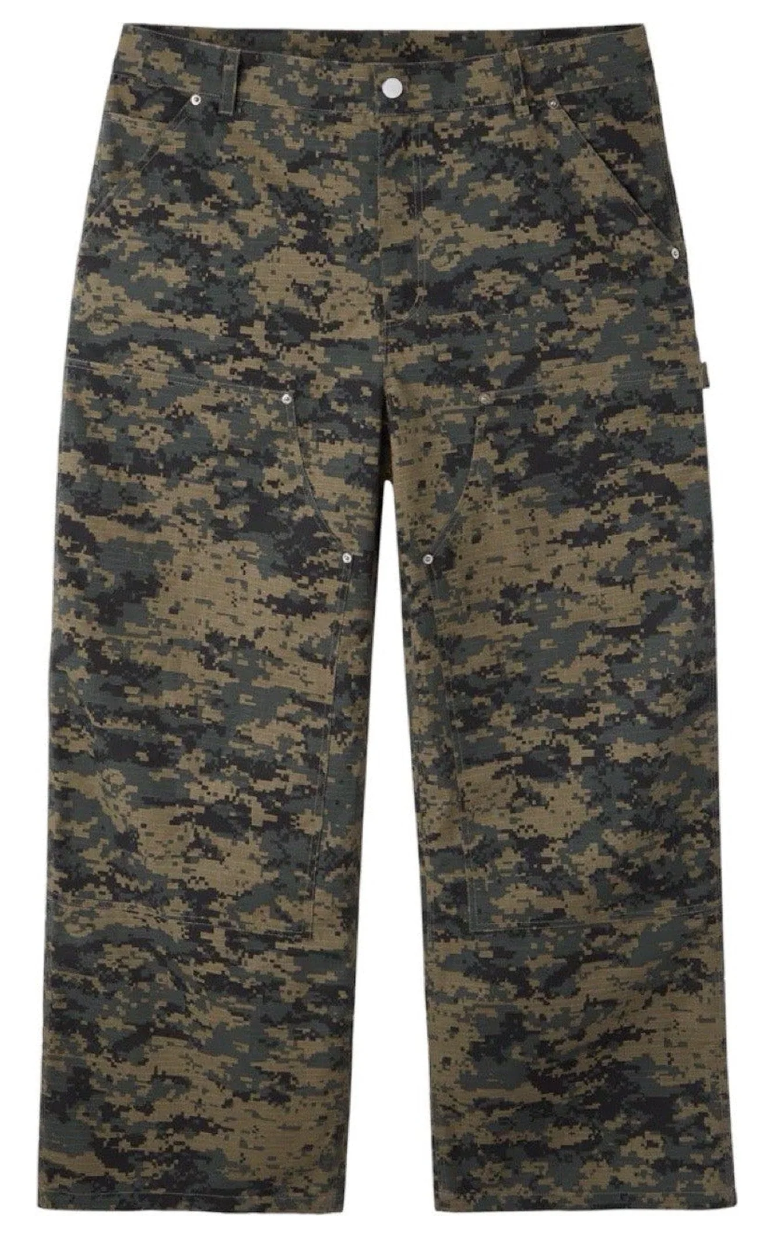
Never air-dry joggers or shorts with a printed graphic print-side down on a radiator or heater. Prolonged, concentrated heat above 122°F (50°C) is all it takes to melt plastisol-formulated graphics to the point where they can transfer onto whatever surface they’re touching, resulting in irreversible damage to the artwork.
Care and Everyday Habits
Where and how you keep HMDD clothing in between wear cycles is nearly as important as how you wash it. Opting for folded storage over hanging works best for dense fleece sweatpants and shorts, as hanging heavy fleece by a waistband clip can create permanent stretch marks at the hang point within a few weeks.
Maintain pieces out of bright direct light while storing them — UV exposure is a gradual yet genuine cause of colors fading, and darker-hued versions in particular can noticeably fade after only a couple of months of remaining on a sunlit shelf or in a car.
Put your pairs on a rotation schedule. Wearing the same pair of shorts or sweatpants on consecutive days without a rest period doesn’t allow the fibers to recover their shape, and it accelerates wear at stress points like the knees and the inner thigh seam. Owning two or three pairs in regular rotation, rather than one worn constantly, can roughly double the effective lifespan of each individual piece.
Deal with stains right away rather than permitting them to bond through a full wear cycle. If treated within an hour, a stain lifts out with just mild soap and cold water; neglected through 24 hours, though, the same stain typically calls for a pretreatment step and hotter water, jeopardizing the print.
An Fast Overview between Healthy Habits versus Habits That Shorten Lifespan
| Caring Step | Suggested Method | Usual Mistake |
|---|---|---|
| Wash Water Temp | Cold water, staying under 86°F (30°C) | A hot cycle exceeding 104°F (40°C) |
| Orientation of the Garment | With the inside facing out | Right side out, print exposed |
| Detergent | Mild, dye-free liquid | Powder detergent with added brighteners, heavy-duty |
| Drying method | Dry flat in open air | Full drying via high-heat tumble cycle |
| Storage | Folded and shielded from sunlight | Hung on a clip hanger near a window |
| Wearing Habit | Cycling through 2-3 pairs | Same pair worn daily without rest |
What This Means for HMDD Owners in 2026
The secondhand streetwear resale scene has scaled up fast, and pieces that hold their form and hue simply fetch a resale price for more. A well-maintained pair of HMDD sweatpants can retain a noticeably higher resale percentage of original price than a neglected one, particularly when the print or stitched design is still well-defined. From a money standpoint, that’s justification to take those extra five minutes each wash seriously.
It’s also worth pointing out that as HMDD’s catalog has widened, the variety of fabric thicknesses and textures has increased too, so it’s a good idea to inspect any care label attached to your specific piece instead of assuming every item performs identically. A dense fleece style versus a lighter mesh-lined style from the same lineup can have distinct washing tolerances even if they appear similar on the rack.
At the end of the day, caring for HMDD’s clothing isn’t about overprotecting it — it’s about aligning the wash and dry regimen to the fabric you actually own. Cold water, inside-out washing, low or no heat in the dryer, and sensible storage cover the bulk of what helps keep sweatpants and shorts holding up well. Stay consistent with this routine and the phrase “happy memories don’t die” winds up applying to the physical piece as well — not just the sentiment behind the name.